How Personal Trainers Help Seniors Build Core Strength
How Personal Trainers Help Seniors Build Core Strength
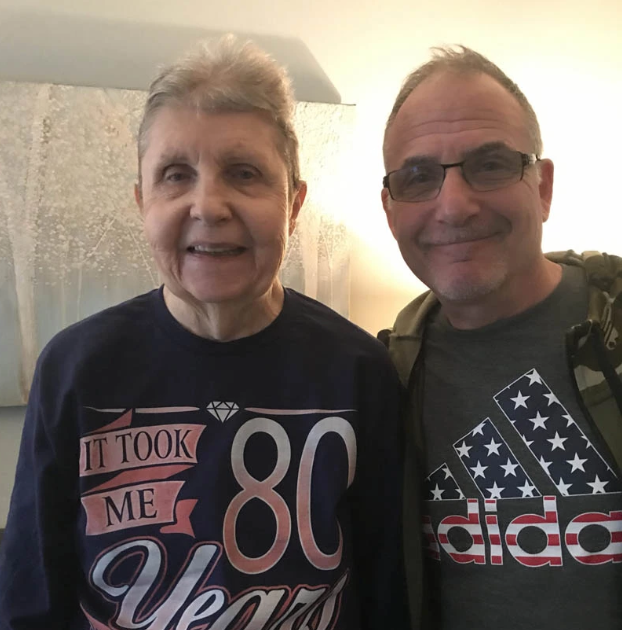
For seniors, building strong core muscles supports their ease of movement, builds steady balance, and creates daily comfort. Following a guided approach can help older adults feel safer during exercises and help them learn how to activate their right muscles. Personalized strategies ensure steady progress that is easy to achieve without causing any confusion or discomfort.
Those seeking structured help experience the best confidence with strong support as offered by a certified personal trainer for seniors in Brooklyn.
The Unique Challenges Seniors Face When Strengthening the Core
- Limited Mobility
Age-related stiffness may limit movement, and some core exercises may be uncomfortable. Moderate movements ease tension and assist in keeping steadiness in addition to safer exercises that suit personal capacity.
- Balance Concerns
The fear of falling will deter perseverance in the core routines. Guiding assistance provided by a Personal trainer in Brooklyn Heights promotes mild exercises that feel safe and controlled by seniors.
- Muscle Weakness
Inactivity can cause decreased strength that influences the stability and comfort during training. Gradual and progressive routines that help in building strength gradually help to promote confidence and a smoother process.
Role of Personal Trainers in Building Core Strength for Seniors
Personal training provides formal guidance that promotes safe and progressive progress. Guided sessions assist the seniors in finding effective means of making the body stronger with certainty.
Customized Program Design
A personal trainer researches personal needs and then chooses movements that fit the existing skills. This individualized framework assists the elderly who need activities that do not interfere with health conditions and comfort levels. Step-by-step changes develop quantifiable changes without an unwarranted level of exhaustion.
Every session has a specific objective to achieve so that each movement is meaningful. Such a form of guidance makes seniors more active and conscious of what makes them feel stronger without risks.
Safe Movement Coaching
Trainers demonstrate how to move without straining, which helps seniors understand how they can use the right muscles during exercises. Effective alignment cues discourage any habits that will decrease effectiveness or be uncomfortable. Positive coaching helps seniors breathe steadily and maintain a moderate pace during each repetition.
Close guidance creates confidence and minimizes reluctance in the training process. Regular exercise enhances coordination and assists in more effective involvement in daily activities.
Progress Monitoring Support
A trainer monitors strength, posture, and stability throughout every training phase. These observations will inform modifications that will make sessions fruitful. The seniors are encouraged in a way that brings out improvements that increase motivation. Such a structure eliminates redundant plateaus since routines change progressively to more challenging ones.
Support makes core training appropriate and realistic. This close tracking enhances the long-term outcomes and boosts confidence in general during the exercise.
Motivational Accountability Coaching
Frequent check-ins encourage the elderly to remain determined despite fatigue or doubt. Motivation keeps the attitude towards physical exercise positive. The atmosphere developed by trainers is not intimidating. This type of responsibility encourages elderly people to recognize minor accomplishments and keep on doing key exercises.
The motivation is developed organically with regular praises and clear directions. Emotional support can be of great importance, as well as the exercises themselves.
Functional Strength Training
Exercises that simulate daily activities are incorporated by the trainers to make the core stronger in relation to real-life movements. Even the basic functions like standing, reaching, and lifting are simplified with specific functional routines. The elderly experience less turbulence in their day-to-day activities, which enhances autonomy.
Functional training enhances general balance, which reduces the chances of falls. The sessions are comfortable yet safe in their progress. Such pragmatic concern generates significant changes that help to make life more comfortable.
Adapted Equipment Guidance
The supportive aids, like stability aids, resistance bands, light weights, etc., are selected by trainers to fit the comfort levels. The elderly operate the equipment in a safe manner due to the trainers demonstrating proper grip, control, and posture. Tailored equipment enhances the range of strengthening without overloading the body.
These changes render sessions fun to attend and easy to handle. Equipment is also used to allow the seniors to work deeper muscles using less strain. Careful choice stimulates cautious assurance on all occasions of routine.
Holistic Wellness Support
The habits promoted by trainers are supplementary to core training that involves hydration, light stretching, and consciously taking daytime strides. This holism will make the seniors feel more active and balanced. Hesitation regarding physical activity is also minimized by emotional reassurance.
All the suggestions are related to general wellness, which facilitates easier progress. Holistic care leads the elderly into more relaxing habits that revitalize them instead of making them tired. This broader perspective enhances long-term success and comfort.
Integrating Core Strength Training into a Senior’s Lifestyle
- Daily Movements
Such a basic routine as taking careful steps, checking the sitting position, and taking slow, controlled steps assists in supporting core activation during the day.
- Light Activities
Light strolls and gradual rhythm stretching help maintain consistent activity of core muscles and facilitate pain-free movement.
- Routine Habits
Short, regular workouts allow core strength to continue working without excessive effort or complex scheduling.
Conclusion
A friendly workout program helps the seniors feel stronger, more stable, and more competent in their daily lives. Simple movement decisions with a mentoring framework generate significant transformations that go beyond the exercise sessions. Personal training offers seniors the equipment that develops self-assurance, comfort, and autonomy. A regular routine is a way of keeping up with a healthier lifestyle that is not pressurizing but rather empowering. Seniors can find new vigor with balanced development that is compatible with everyday life.
Most Read