How to Choose the Right Heat Pump for Your Home Swimming Pool
How to Choose the Right Heat Pump for Your Home Swimming Pool
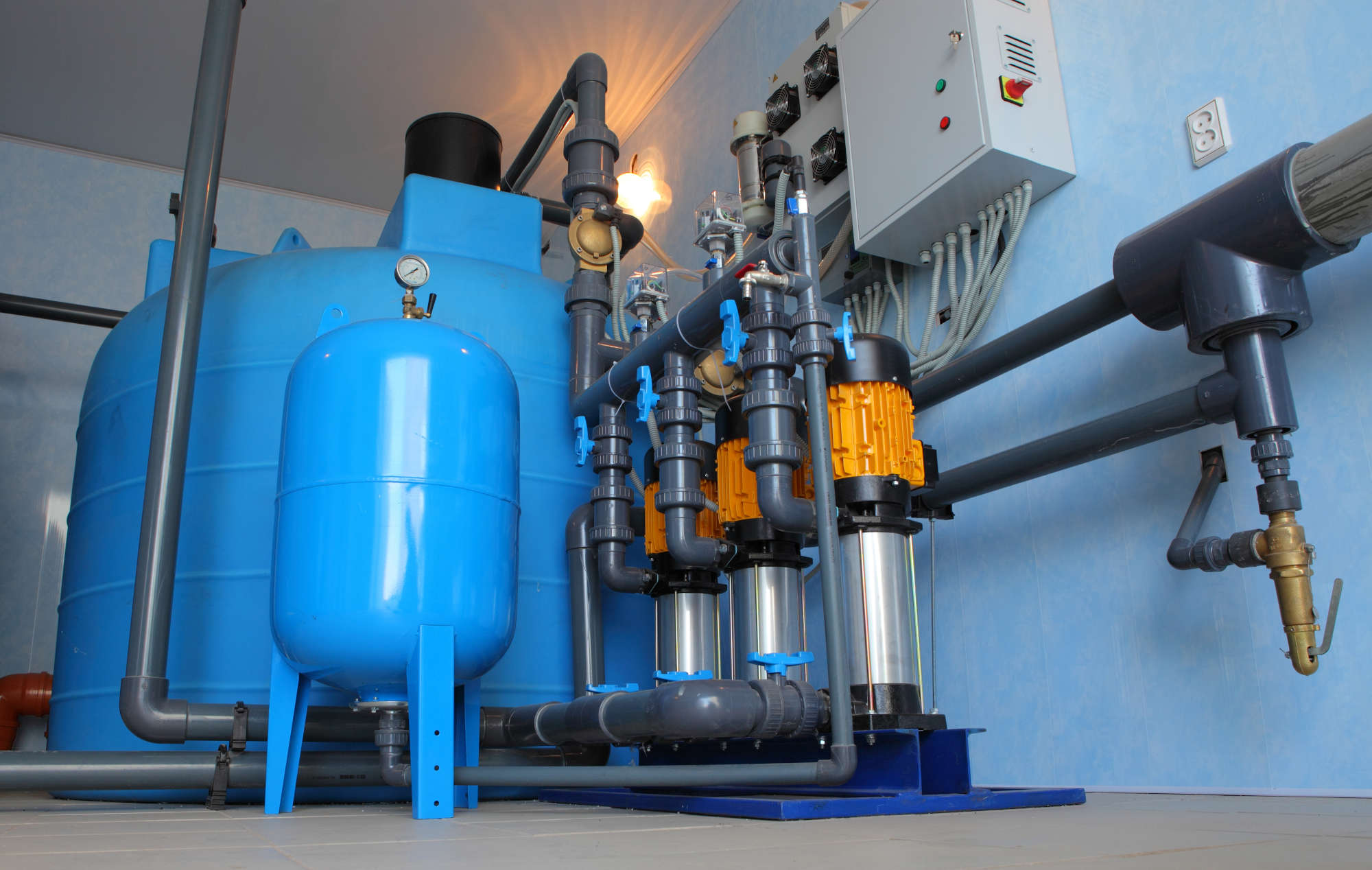
A swimming pool heat pump can significantly extend your swimming season and improve comfort, but choosing the right one for your home requires careful consideration. There are several models, sizes and technologies, so what to consider will allow you to make an educated choice that will suit your pool use, weather requirements, and long-term outlook. The following is a useful roadmap that can assist you in choosing the appropriate heat pump without neglecting efficiency, performance, and maintenance.
How Pool Heat Pumps Work
Swimming pool heat pumps operate by taking the heat available in the surrounding air and placing it in the pool water. They do not produce heat but transfer the pre-existing heat and thus rank high among homeowners who want to maintain a constant water temperature. The same principle of heat-transfer is utilized in a hot water heat pump, and the technology is not new and is a well-established trust in the houses.
Since they are dependent on the ambient air temperature, heat pumps work best in warm and moderate climates, but still can be used in colder areas with the appropriate sizing and configuration.
Consider Your Pool Size and Volume
The matching of a heat pump to the size of your pool is one of the most crucial aspects to be considered when buying a heat pump. The amount of energy necessary to raise and sustain the temperature of water is dependent on the pool volume. An undersized heat pump can easily fail to keep the house warm, whereas an oversized one can operate no more efficiently than a cyclic pump.
The manufacturers normally give the sizing charts in terms of pool volume and desired rise in temperature. The answer to that question is to seek the services of a professional that provides swimming pool heat pump services so that the unit may be matched accordingly to the size of the pool and the frequency of its use.
Climate and Local Weather Conditions
The local climate is a major factor that will help to identify the appropriate heat pump. The efficiency of the heat pumps is higher with a warmer air temperature; therefore, in the case of homeowners in the milder climates, they will have more options with the model.
In colder places, it is worthwhile to select a unit that can work well at low air temperatures. Other more recent designs have been designed to be more reliable in variable situations, like a hot water heat pump that can adjust to household demand over the year.
Energy Performance and Efficiency Ratings
The Coefficient of Performance (COP) is usually used as a measure of energy efficiency. When the COP is high, it means that the heat pump is much more efficient in giving out more heat with the same amount of electricity used. Although ratings of efficiency may be different, the knowledge of them makes it easier to compare models.
Rather than focusing on claims of superiority, consider the performance data that may be given by manufacturers, and negotiate with a qualified swimming pool heat pump service provider about what should be expected in practice. Installation quality, plumbing layout, and frequency of use are also factors of the efficiency of the pool.
Noise Levels and Placement
Fans and compressors are part of heat pumps, and this produces certain noise. Though the current units tend to be quieter compared to the older ones, noise levels may vary.
Think of the location where the unit will be fitted in the surrounding area of the living space, neighboring homes, and outdoors entertainment zone. When properly installed, this can minimize the sound impact and improve airflow, which contributes to consistent performance, like a well-installed hot water heat pump in Christchurch.
Space and Requirements Installation
Heat pumps also need proper air circulation in order to operate well. This involves providing a minimum of clearance around the unit, and it is the location where air can freely get in and out.
Electrical requirements are to be taken into account too. Upgrades to your current electrical system may be necessary at some of the units. The service of an experienced technician in the area of the swimming pool heat pump is guaranteed to install in accordance with the safety standards and manufacturer rules.
Long-term Care and Maintenance
The frequent servicing ensures stable operation and prevents surprises. Some of the basic maintenance activities involve the inspection of airflow, the electrical connections, and the maintenance of the heat exchanger.
It may be easier to engage in the ongoing care by selecting a model that has available components and can obtain local services. The fact that the system is compatible with the expectations of many homeowners in terms of maintenance is also significant because the maintenance process usually resembles that of a hot water heat pump.
Integration with Existing Pool Equipment
Your heat pump should be compatible with your pool’s filtration and circulation system. Flow rate requirements must match the pump and plumbing setup to ensure smooth operation.
A qualified evaluation will be able to determine any modifications that could be required to fit in the heat pump effectively. This is another area where a specialized swimming pool heat pump service can provide valuable guidance during planning and installation.
Budget Considerations beyond the Initial Cost
While upfront cost is an important factor, it is equally important to consider long-term operating expenses. Heat pumps are generally associated with predictable energy use, but actual costs depend on pool size, usage frequency, and local electricity rates.
Based on the similarities in the principles of efficiency and energy profile, one may compare the operating expectations of a hot water heat pump with those of the heat pump under consideration, as both systems are similar.
Final thoughts
When it comes to selecting the heat pump to fit in your own swimming pool, there is more than simply picking a unit off the shelf. Pool size, climate, efficiency ratings, installation requirements, and long-term maintenance all play a role in determining the right fit. By working with a trusted provider offering swimming pool heat pump service in Christchurch and understanding how the technology compares to a hot water heat pump, homeowners can make confident, informed decisions.
With thoughtful planning and professional support, a well-chosen pool heat pump can provide consistent water temperatures and a more enjoyable swimming experience throughout the season.
Most Read