How Long Does Tattoo Removal Take to Heal?
How Long Does Tattoo Removal Take to Heal?
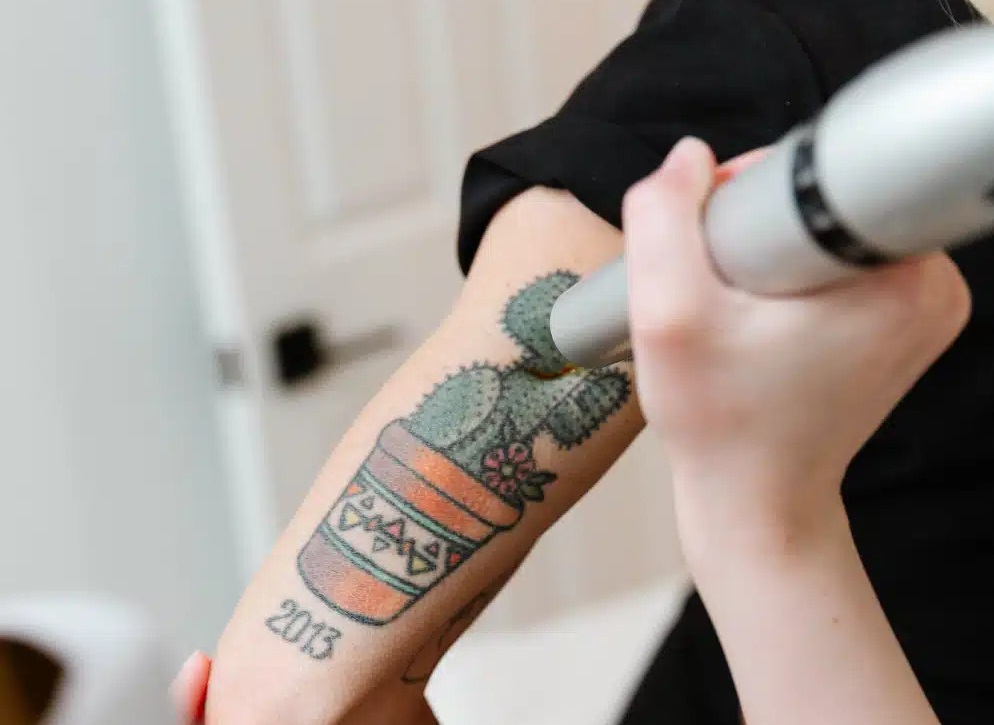
It is a big decision to get rid of a tattoo, and one of the most often asked questions before anyone begins treatment is how long will it take to heal? Although tattoo removal with a laser is more effective than ever before and can fade the tattoo more accurately, healing of the tattoo is an important part of the process.
Knowing what to expect after treatment sessions and how the skin will heal can help you get ready for the road ahead. While everyone’s healing process is unique, it is helpful to understand what to anticipate and how to care for your skin in between treatments.
Tattoo Removal Process
It is important to know how laser tattoo removal works before talking about timelines.
This treatment involves intense light energy that is directed towards the tattooed pigment under the skin. The laser “nebulizes” the ink, which is then broken down into smaller particles, which are slowly absorbed by the body over time.
Your body has to heal after every session, as the laser reaches the area of the tattoo below the skin’s surface. This recovery time is crucial for the health of skin and treatment effectiveness.
What Happens After Treatment?
After tattoo removal, you can expect some skin reactions to happen at first. These reactions are part of the body’s natural response to the laser energy.
Immediate symptoms can include:
- Redness
- Mild swelling
- Tenderness
- Heat of treated region
- Whitening of skin temporarily (3-6 months)
These reactions may occur within minutes of treatment and will usually settle down within a couple of hours.
Most people can return to normal daily activities shortly after receiving treatment, although the area treated might be sensitive.
The first 24-48 hours
On the first few days following laser tattoo removal, the skin may be the most sensitive.
During this time you will notice:
- Continued redness
- Slight swelling
- Mild discomfort
- Sensitivity to touch
A few people may have small blisters or scabbing during the healing process. These reactions are not uncommon and tend to clear up on their own as the skin heals.
During this period, maintaining a clean environment and adhering to post-procedure guidelines provided by your healthcare provider can help in healing.
The First Week of Healing
Most inflammation that occurs in the early week starts to improve.
During this phase:
- Redness typically decreases
- Swelling gradually subsides
- Scabs may start to develop
- The skin’s healing process begins.
It is important to avoid picking at scabs or blisters if they develop. Allowing the skin to heal naturally helps protect the treated area and supports the recovery process.
By the end of the first week, many people notice a much-improved appearance of the treated skin.
Weeks Two to Four
As healing progresses, the visible surface recovery is more evident.
In weeks two through 4:
- Scabs often fall away naturally
- Skin texture gradually normalizes
- Residual redness continues to fade
- The area becomes less sensitive
The skin can look mostly healed on the outside of the body but be healing on the inside. During this period the body is still consuming the broken-up ink particles.
Why Multiple Sessions Require Healing Time
Laser tattoo removal in Burlington typically involves multiple sessions.
The reason is that:
- The laser is used to fragment the ink droplets.
- Those particles are naturally eliminated from the body over time.
- There needs to be time between sessions for the skin to recover.
Most providers will leave a few weeks between treatments to ensure that the skin has time to heal and the ink has faded before the next session.
Rushing treatments too closely together may not provide sufficient recovery time for the skin.
Factors That Affect Healing Time
Tattoo Size
The bigger the tattoo size, the bigger the area of treatment. However, it might take longer to heal when it comes to larger tattoos.
Tattoo Location
Blood circulation areas that are good can recover more efficiently than blood circulation areas that are less.
For example:
- Upper arms
- Chest
Upper back may heal in a way different from:
- Hands
- Feet
- Ankles
- Skin Type
The speed of recovery of the treated area may be affected by individual skin characteristics.
Factors include:
- Skin sensitivity
- Natural healing response
- Overall skin health
- Immune System Function
An important part of the immune system is involved in the processing of broken down ink particles. Patients with good health will recover more efficiently and will see the pigment in their skin go away more quickly.
Aftercare Practices
Aftercare instructions are recommended and if followed properly, can help the process of healing and minimize unnecessary irritation.
Common Healing Tips
Many providers recommend:
- Maintaining cleanliness of the area
- Keeping your skin out of the sun as much as possible
- Clothing should be loose-fitting over treated area
- Avoiding picking or scratching
- Implement all provider directions
How Long Does Complete Healing Take?
Surface healing is felt in 1 to 2 weeks after treatment. Differences in healing under the skin can happen for several weeks, however, after that.
In many cases:
- The initial stage of recovery takes place in 7 to 14 days.
- The skin takes several weeks to heal.
- Detection of ink may last for months following clearance.
Laser tattoo removal is a process that takes time, hence there is need for patience. The body works long after the end of each session.
Final thoughts
Laser tattoo removal treatment is a process that takes place in stages. The main skin recovery is during the first week or two, but there is a continued healing process and fading of the ink for several weeks following each session. The time to heal after tattoo removal in Burlington can vary based on a number of factors, including the size and location of the tattoo, the type of skin, health status, and what measures are taken after the tattoo.
The healing process of the skin and the tattoo removal aftercare advice given by professionals will help people keep their skin healthy throughout their tattoo removal journey.
Most Read